Review: small metal objects
Adam Goodall, Sherilee Kahui and Jane Yonge discuss Back to Back Theatre's immersive play as it was performed in a public space on Wellington's waterfront.
Adam Goodall, Sherilee Kahui and Jane Yonge discuss Back to Back Theatre's immersive play as it was performed in a public space on Wellington's waterfront.
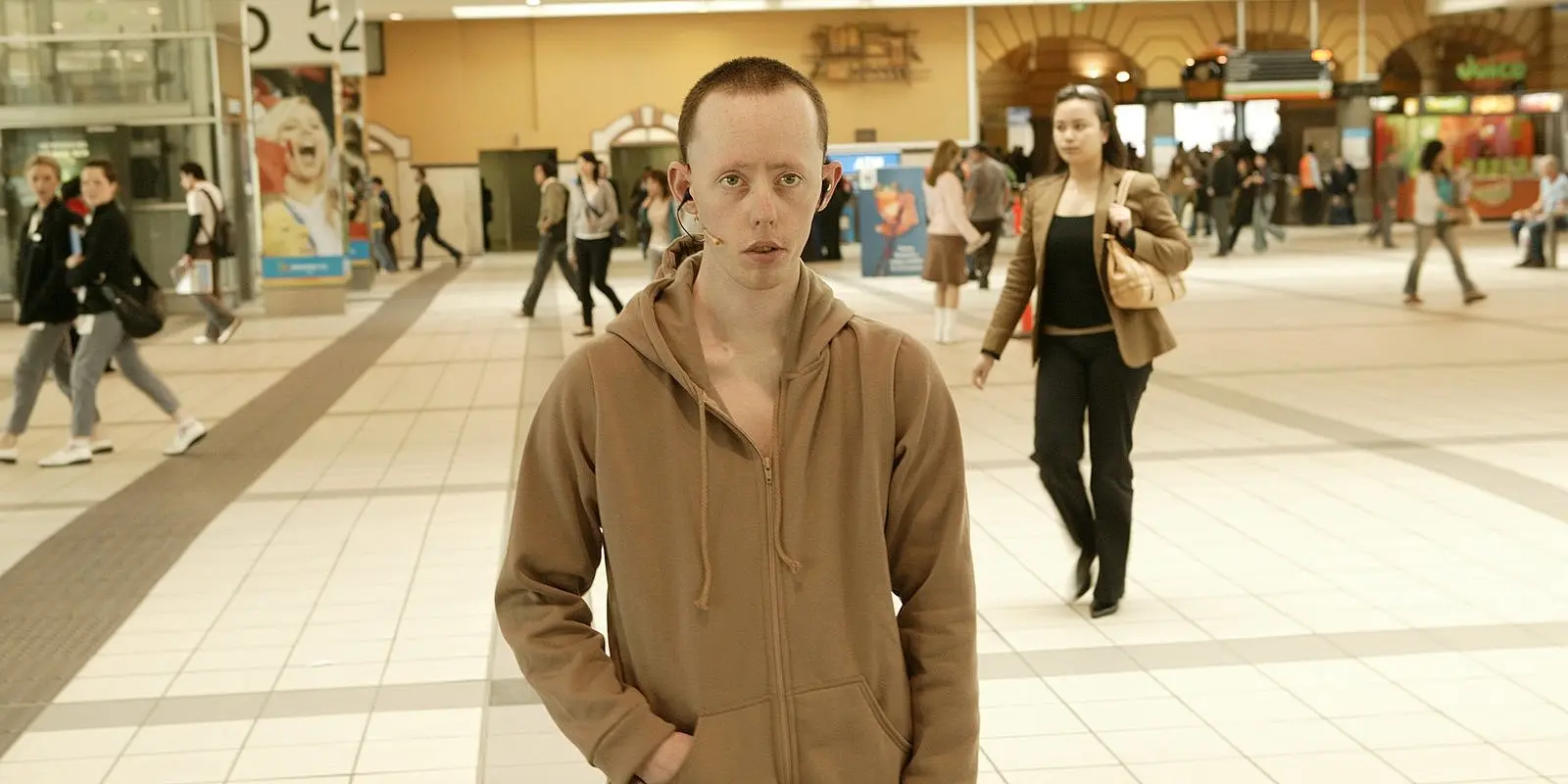
Australian theatre company Back to Back Theatre’s small metal objects has been touring busy public spaces around the world since 2005. Steve and Gary (Simon Laherty and Sonia Teuben, the latter playing a very convincing man) are two men considered to have intellectual disabilities. Gary’s about to go into hospital for a knee operation; Steve is plummeting into an existential crisis. Gary wants to help, but then he gets a call from Allan (Jim Russell), a brash property lawyer who wants to get his hands on $3,000 worth of cocaine for a legal awards ceremony he’s attending later that night with his HR psychologist friend Caroline (Genevieve Morris). The hitch? Steve’s existential crisis has taken hold, and neither he nor Gary are leaving the area until Steve’s worked his way through his own thoughts.
We see small metal objects on a Friday afternoon, just after everyone’s knocked off from work (we being Adam Goodall, Pantograph Punch Theatre Editor - Wellington; Sherilee Kahui, producer of Receiverand director of the original Te Whaea season of Wake Up Tomorrow; and Jane Yonge, director of Page Turners and Heteroperformative). The Wednesday afternoon performance had been rained off. The Friday afternoon performance was much nicer.
In its NZ Festival season, small metal objects takes place on the waterfront near TSB Bank Arena, wedged between the Dockside Bar and the Shed 6 dock. We’re all sitting on a set of bleachers facing the harbour; each seat has its own set of headphones that both music and dialogue are piped through. The show takes place in the public space in front of us, passers-by caught in and around the action as they walk or cycle or skateboard along the waterfront.
Adam GoodallThe biggest hurdle that this season faced was that it wasn’t staged in a space that’s busy enough to give you the real feeling of picking people out inside a massive crowd. When the concept of the show rides on paying attention to people in a crowd and that’s where some of its thematic interest lies - the ways we look at people and come to snap judgments immediately and the need to look closer - it’s very anti-climactic.Sherilee KahuiAnd it almost makes a farce of that thing? Because you know what they’re trying to do with it but then it’s so...set-up. Created? Crafted?Jane YongeArtificial?SherileeThere we go. Especially when you can see pedestrians on the side of the audience block trying to figure out, “Should I go? Should I not go?” And then there’s Dockside, so those people are there for that whole time as well, not really coming and going.JaneAfter the performance we talked about people making the choice to go around the seating block or in front of the audience.SherileeWhich does tie in with the psychology point. But it’s not that interesting? The audience bank is very obvious.AdamThe psychological question that comes out of letting people choose isn’t as interesting as forcing people to walk through the action. And that sounds like I’m for taking agency away from people and imposing participation on them, but it feels like that’s what the play’s interested in anyway, because that’s the reality of being in a crowd.SherileeIt also becomes an opposition to Steve’s choice to opt out and have that break.JaneI did enjoy the Bluebridge Ferry coming in at the beginning and I enjoyed hearing Gary and Steve’s voices at the beginning and not knowing where they were coming from. I was looking and looking and looking at other people and quite blatantly staring at members of the public. Members of the public, especially the people sitting at Dockside, looked uncomfortable because we were all hunting for the thing that we were hearing. At first I found it really disorienting, “Where are these voices coming from.”I liked hearing their voices and not knowing what the speakers looked like. So you’re hearing these voices and suddenly they’re familiar, they’re with you, they’re part of you, they’re warm with you, but you don’t know who they are or where they’re coming from. Then suddenly they’re there and they’re not rushing, they’re just taking their time and you’re with them. They felt like new friends.Photo: Matt Grace
Photo: Matt Grace
Photo: Matt Grace
on the waterfront outside the TSB Bank Arena
from Wednesday 16 - Saturday 19 March
For more information, go here.